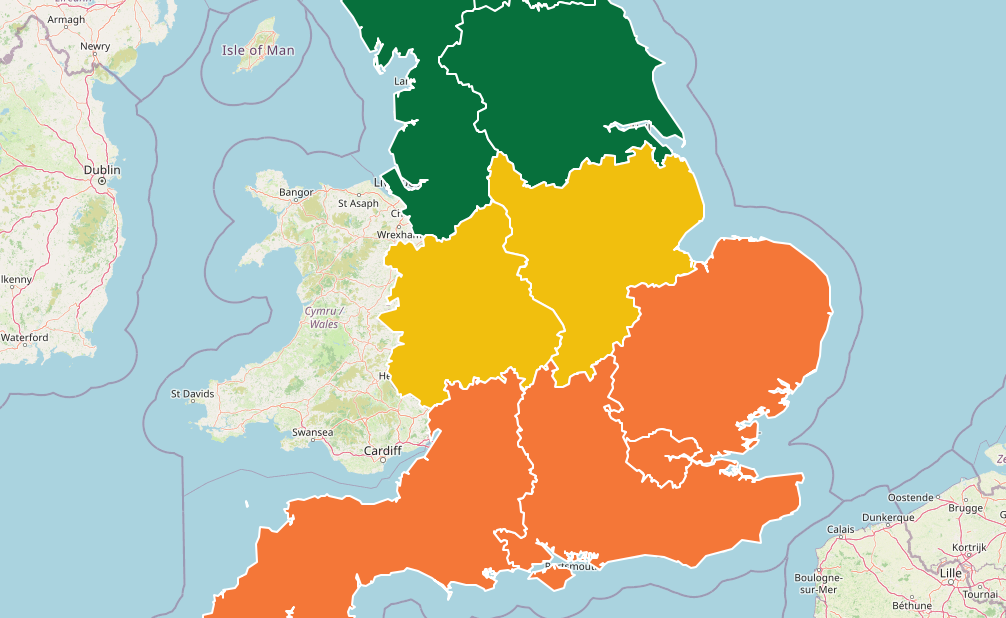
Residents across Boston and Lincolnshire are being urged to take extra care in the coming days after a Yellow Heat Health Alert was issued for the East Midlands.
The alert, issued by the UK Health Security Agency, comes into effect from 12pm on Thursday 18 June and will remain in place until 8pm on Tuesday 23 June.
With temperatures expected to rise significantly over the next several days, NHS Lincolnshire Integrated Care Board is reminding people to stay safe in the sun and be aware of the signs of heat-related illnesses.
Whilst warm weather can be enjoyable, prolonged exposure to high temperatures can pose serious health risks, particularly for vulnerable groups including older people, those with long-term health conditions, young children and people who work outdoors.
Health officials are encouraging people to:
- Stay in the shade where possible, especially between 11am and 3pm.
- Wear loose-fitting clothing, hats and UV-protective sunglasses.
- Apply sunscreen with at least SPF 30 and a 5-star UVA rating, reapplying regularly.
- Drink plenty of water throughout the day.
- Avoid excessive physical activity during the hottest parts of the day.
Those considered most at risk during hot weather include people aged over 75, individuals living with heart, lung, kidney or diabetes-related conditions, people taking multiple medications, and those who struggle to regulate their body temperature.
The NHS is also advising residents to check on elderly relatives, neighbours and friends who may need additional support during the warmer conditions.
Health experts are warning people to be aware of the symptoms of heat exhaustion, which can include tiredness, dizziness, headaches, muscle cramps, nausea, heavy sweating and intense thirst.
If someone experiencing these symptoms is able to cool down within 30 minutes, emergency treatment is usually not required. However, if symptoms worsen or do not improve, heat exhaustion can develop into heatstroke, a potentially life-threatening condition.
Signs of heatstroke include confusion, difficulty breathing, rapid heartbeat, lack of coordination, hot skin that is not sweating and, in severe cases, seizures.
Anyone suspected of suffering from heatstroke should be treated as a medical emergency and 999 should be called immediately.
To cool down, the NHS recommends moving to a cooler location, removing excess clothing, drinking cool fluids and applying cold packs or cool water to the skin.
Anyone concerned about symptoms should contact NHS 111 for advice, or call 999 in an emergency.
Forecasters expect temperatures across Lincolnshire to remain above average throughout the alert period, with residents encouraged to stay informed and take sensible precautions while enjoying the sunshine.