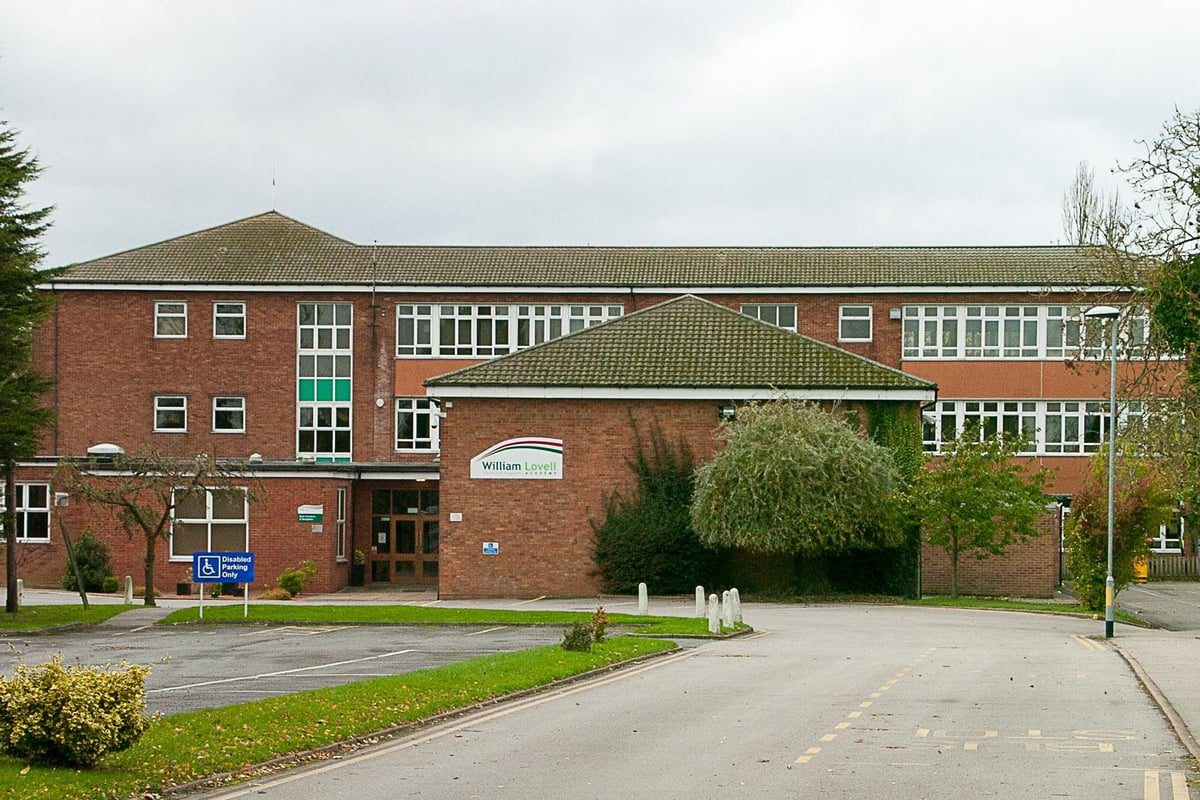
An Ofsted inspection has found that William Lovell Church of England Academy “requires significant improvement”, with inspectors highlighting urgent concerns around pupil achievement, attendance and behaviour, despite praising the school’s safeguarding, pastoral care and leadership ambitions.
The report, published following an inspection on 10 March 2026, states that the school is “performing significantly less well than it might in all the circumstances reasonably be expected to perform.”
Inspectors judged safeguarding standards at the school to be met, noting that leaders had established “an open culture in which safeguarding is everyone’s responsibility” and that pupils “are made safer and feel safe.”
However, Ofsted raised serious concerns over educational outcomes. The report said pupils “do not progress well across a range of subjects” and that by the end of Key Stage 4, outcomes “do not reflect their potential.”
Attendance was also highlighted as a major issue, with inspectors reporting that many pupils, particularly disadvantaged pupils and those with SEND, are persistently absent. Data included in the report showed overall absence at the academy stood at 14.4% for 2024/25, significantly above the national average of 8.1%, while persistent absence reached 40.1% compared to the national figure of 21.9%.
Inspectors found that teaching quality across the school was inconsistent, with some teachers failing to effectively identify and address gaps in pupils’ learning. The report also noted concerns around literacy support, stating that some pupils “do not receive the support that they need to become better readers.”
Despite the criticism, Ofsted acknowledged several strengths within the school. Inspectors praised the academy’s inclusive ethos and personal development programme, built around the values of “excellence, growth and responsibility.”
The report described the school as “friendly”, saying pupils feel safe and benefit from “positive relationships with caring staff, who treat them with ‘unconditional positive regard’.” Pastoral support was identified as a particular strength, alongside careers guidance and enrichment opportunities including clubs, work experience and leadership activities.
School leaders were recognised for beginning improvement work since taking over, with Ofsted noting they had created “a culture of ambition and high expectations”. The inspection also highlighted falling suspension rates and improved behaviour systems within the school.
The academy currently has 315 pupils enrolled, well below the national average for a secondary school, and has higher-than-average levels of deprivation and SEND needs among its student population.
GCSE results included in the report showed only 12.7% of pupils achieved grade 5 or above in English and maths in 2024/25, compared to a national average of 45.4%.
Ofsted said leaders must now “act swiftly and decisively” to improve attendance, raise achievement and ensure the curriculum is delivered consistently well across all subjects.
Headteacher, Mrs Emma Bennett, said: “We welcome the findings of our recent Ofsted inspection and are pleased that inspectors recognised the clear direction and determination driving our school forward. They confirmed that leaders have identified the right priorities and are already implementing effective strategies for improvement, with early signs of positive impact seen in pupils’ work.
“The report highlights significant strengths that reflect our daily practice. William Lovell is a caring and inclusive community where pupils feel safe, valued and able to be themselves. Strong pastoral care, high-quality safeguarding, and a clear commitment to personal development ensure that our students grow into confident, responsible individuals. Inspectors also recognised improvements in behaviour, effective careers guidance, and the strength of our work supporting pupils with SEND, ensuring they feel they belong and can succeed.
“We are already taking decisive action to build on these foundations. Investment in expert staff, strengthened professional development, and a renewed focus on literacy and teaching consistency are central to our improvement journey. These actions are supported by clear leadership at school and Trust level, alongside our governors and partners, and a shared ambition to ensure every student achieves their potential.
“As an inclusive school, we also recognise the challenges we face under the new inspection framework. It is important to recognise the wider national conversation around how schools are evaluated, particularly in rural and disadvantaged communities. Ensuring strong attendance remains a key priority, particularly where complex needs and external factors impact young people. These challenges can affect both achievement and progress. However, we are committed to working closely with families and partners to overcome these barriers and secure the best outcomes for all pupils. We would like to thank our dedicated staff and supportive families for their continued hard work and partnership, which are vital to the progress we are making as a school community.