An extra £4.4m has been approved by Lincolnshire County Council for Lincolnshire Fire and Rescue to invest in modernising procedures, equipment and fleet.
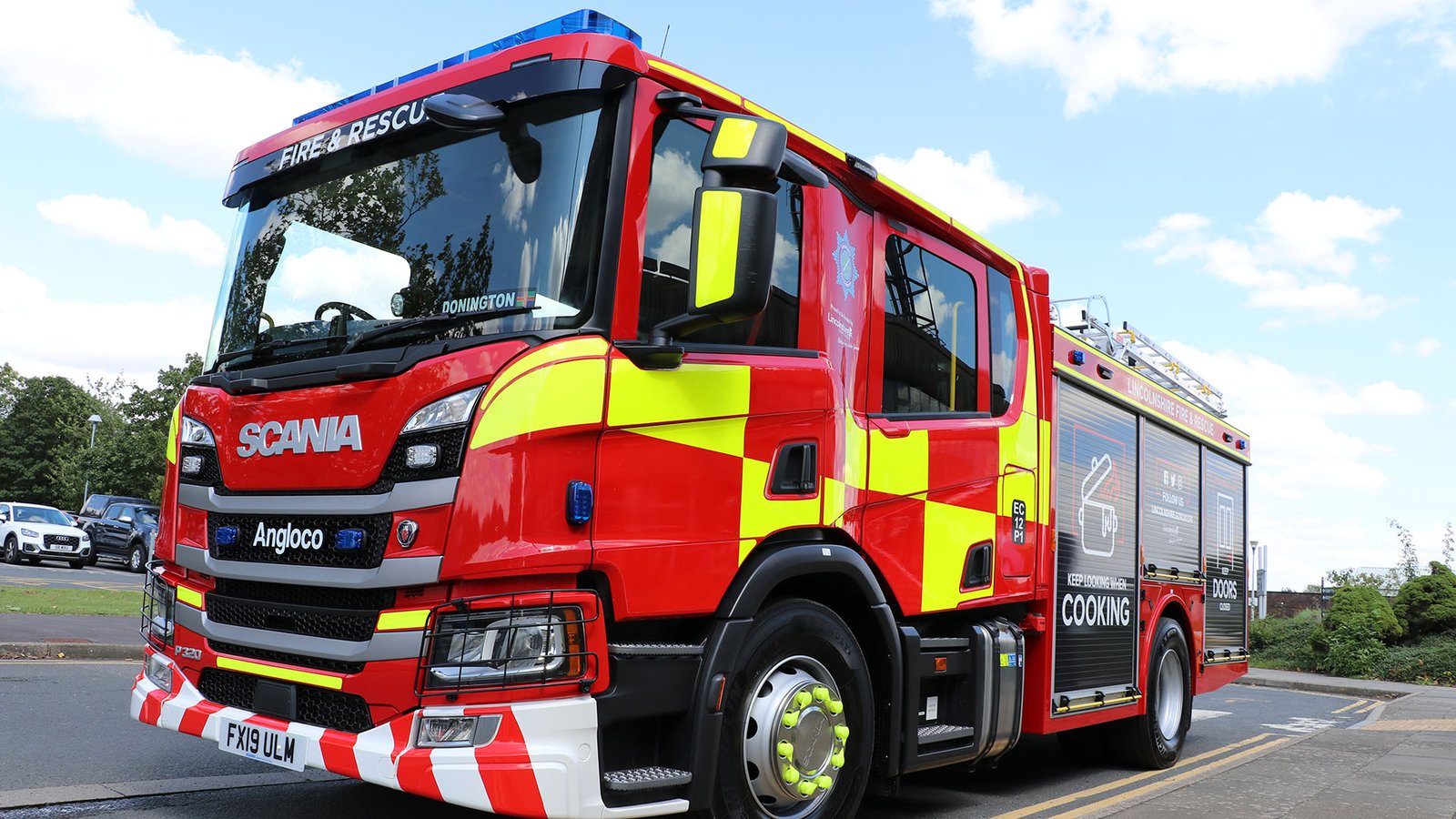
Among the key investments are nine brand new fire engines, which will come into service over the next two years, with a longer term investment ambition to secure nine further vehicles by 2030.
These appliances form the backbone of fire and rescue’s response, attending the vast majority of emergencies, from house fires to road traffic collisions and water rescues.
The new fleet will gradually replace older appliances currently in service, ensuring firefighters have reliable, modern equipment that is needed to quickly respond to incidents across the county.
Designed with flexibility in mind, the new vehicles will be fitted with the latest firefighting technologies and remain adaptable to future risks and innovations.
Mark Baxter, Chief Fire Officer, said: “These nine new appliances will be designed to adapt and evolve alongside the risks that our communities face and will enable our crews to minimise unnecessary contact with contaminates.
“So, as well as improving reliability and resilience, this investment will help to better protect our crews from risk, and future-proof our response capabilities for years to come.”
Cllr Alex McGonigle, executive councillor for Lincolnshire Fire and Rescue, said: “This is absolutely the right time to invest in replacing our older appliances.
“We’re seeing rising maintenance costs as our older vehicles increasingly need more servicing and repairs.
“This investment will help us save us money in the long-term, and enable our crews to continue responding quickly and effectively when our communities need us the most.”
The service is also looking at the latest in battery-powered fire and rescue equipment that will replace older bits of kit. This move could help reduce reliance on traditional fuels, that are used in hydraulic cutting and spreading equipment, where costs have recently been unpredictable. Newer, battery-powered kit also benefits from various design improvements, which make it more comfortable and easier for our crews to operate, allowing for more effective and efficient use at serious incidents.