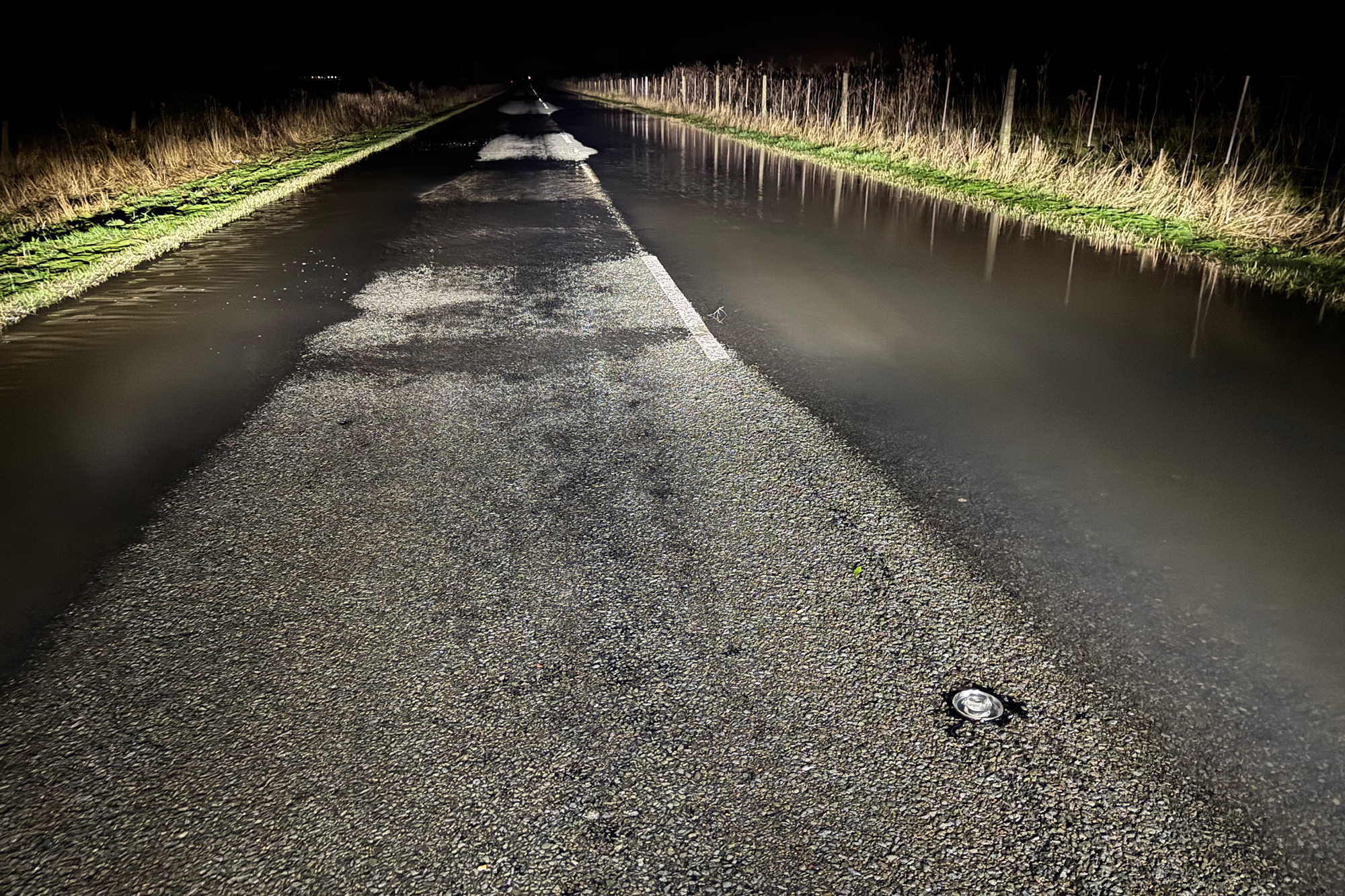
A national coalition representing 41 councils is marking three years of campaigning for a fair and sustainable approach to funding Internal Drainage Board levies.
Internal Drainage Boards carry out essential work to manage water levels and reduce flood risk, with affected councils required to fund a significant proportion of their work through statutory levies.
Since its formation in 2023, the Drainage and Flood Resilience Group – formerly the Internal Drainage Board Special Interest Group – has increased the profile of financial pressures caused by the levies on council finances and how the levy is eroding the councils’ ability to invest in services.
The Group has grown to represent 41 affected councils and has worked with Government, MPs, Peers, Internal Drainage Boards (IDBs), the Association of Drainage Authorities and local government partners to press for a lasting solution to the way essential flood and water management is funded.
Its campaigning helped secure an additional £3 million from Government for councils facing the greatest pressures in 2024/25, followed by an uplift from £3 million to £5 million in the 2025/26 Local Government Finance Settlement and a further £5 million for the most affected councils in 2026/27. Although the additional support is welcome, the latest £5 million allocation remains £9.37 million below the £14.37 million increase in annual levy costs experienced by councils since 2022/23.
The funding was secured following engagement with Ministers, supported by MPs and the Local Councils’ Network (formerly the District Councils’ Network) alongside detailed evidence demonstrating how increases in IDB Special Levies are placing unsustainable pressures on council budgets.
The Group has taken its campaign directly to Parliament, holding three events to bring together Ministers, MPs, Peers, councils and key partners. It has also worked with Peers and Parliamentarians to raise the issue in both Houses and presented its case to All-Party Parliamentary Groups.
Its work has also contributed to national debate through coverage in the national media.
Alongside its campaigning, the Group has developed stronger relationships with IDBs, helping some councils to receive early information regarding levy increases and has also worked closely with the Association of Drainage Authorities.
The Group has also included submitting evidence to Parliamentary inquiries and national consultations covering flood resilience, water infrastructure and local government finance, while also engaging with work on proposed flooding legislation.
More recently, the Group has become directly involved in the jointly commissioned DEFRA and MHCLG review of IDB funding and costs as a member of its Project Steering Group.
Despite the progress, the underlying financial challenge continues. The £14.37 million of additional Special Levy pressure since 2022/23 is increasing year on year, with other issues such as reduced Highland Water Contributions (1) to IDBs and reduced Environment Agency river maintenance programmes also pushing costs onto IDBs and then the councils.
Chair of the Group, Councillor Paul Redgate, said: “Over the past three years, our councils have worked together to put this issue firmly on the national agenda. We have secured additional support, strengthened relationships with IDBs and made sure the financial impact on councils is understood in Parliament and across government.
“However, temporary funding allocations do not resolve the underlying problem. Councils need a fair, sustainable and long-term funding arrangement that protects local services while enabling IDBs to continue their essential work managing flood risk and protecting communities.
“We welcome the continued engagement of Jim McMahon OBE MP, Minister for Local Government, and Baroness Taylor of Stevenage. The joint government review now needs to lead to a lasting and acceptable solution.”