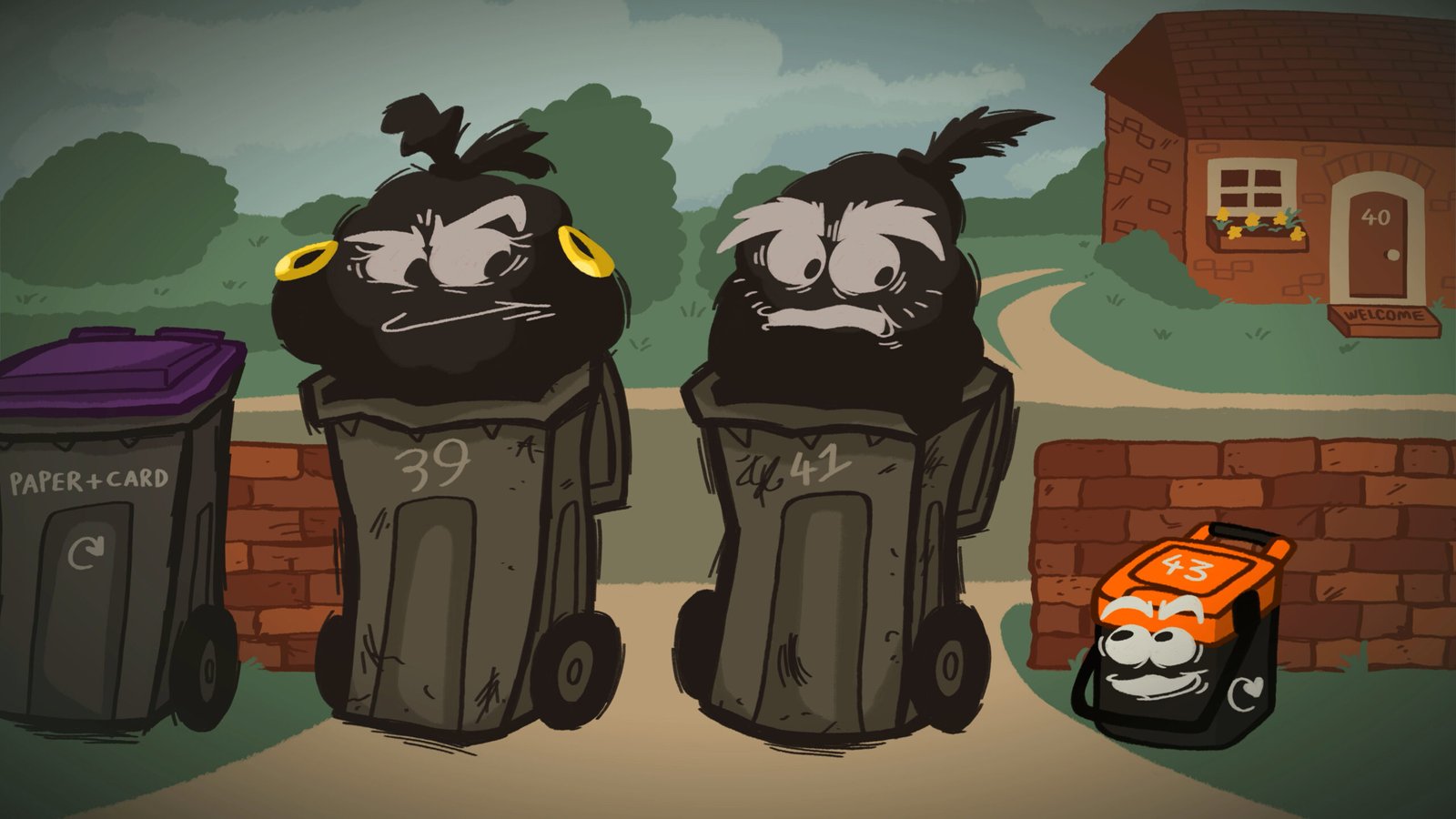
Lincolnshire Waste Partnership has launched a new four-part animated video series designed to tackle common myths about food waste recycling and encourage residents to make use of their kitchen caddy.
The Rubbish Rumour series, now available in full on YouTube, takes a straightforward and light-hearted approach to addressing some of the most frequently heard misconceptions about food waste collections. The short animations respond to claims such as “it all goes to the same place anyway”, “it’s a waste of time”, and “I already compost”, while also explaining how food waste caddies differ from other waste containers and why they are collected weekly.
The videos have been developed to support the introduction of weekly food waste collections across Lincolnshire as part of the Government’s Simpler Recycling reforms under the Environment Act 2021. They clearly explain what happens to food waste after it is collected: it is taken to an anaerobic digestion plant where it is turned into renewable energy and fertiliser for agriculture. By separating food waste from general waste, residents are helping reduce the amount sent to Lincolnshire’s Energy from Waste facility and ensuring that unavoidable food scraps are put to good use.
As well as helping residents understand the practicalities of using their caddy, the series reinforces simple service messages — that the caddy is smaller, has its own purpose, helps keep other containers cleaner and is collected weekly. It also addresses questions about what can and cannot go into the caddy, helping to build confidence in the new service.
Cllr Danny Brookes, Chair of Lincolnshire Waste Partnership and Executive Member of Environment at Lincolnshire County Council, said: “We know that whenever a new service is introduced, there are questions and sometimes misconceptions. The Rubbish Rumour videos are a positive and engaging way to address those head on. They show residents exactly why food waste recycling matters and what happens to their food waste once it’s collected. Even small amounts make a difference when we all take part, and this series will help us continue to build awareness and understanding for years to come.”
Although created to support the current rollout of food waste collections, the videos have been designed as a long-term communications resource. They will continue to be used across social media, council websites and community engagement work, and will provide a ready-made response to recurring myths in the future.